


















Electromagnetic Locks (Maglocks)

Modern access control systems rely on electronically securing and unlocking doors. The two most common methods used are electromagnetic locks (maglocks) and electric strikes. While they serve a similar purpose, these devices operate very differently. 

Unfortunately, many businesses and property managers in Toronto are incorrectly advised that maglocks are the simpler or less expensive solution. In reality, maglocks should only be used in limited, specialized applications. The distinction is not simply a matter of our preference — it directly impacts life safety, building code compliance, and legal liability.

We Work With

Toronto's Largest Brands

Maglocks vs. Electric Strikes

What Is a Maglock?

A maglock, short for electromagnetic lock, uses a powerful electromagnet mounted to the door frame and an armature plate attached to the door. When energized, the magnet holds the door closed with significant force.

Unlike traditional locking hardware, a maglock must release electronically for both:

  • Entry into a space, and
  • Exit from a space

This is the key safety concern with maglocks. If the lock does not release properly during a fire alarm, or emergency, occupants may be unable to exit safely.

Because of these risks, maglocks are heavily regulated under the Ontario Building Code and require permits in Toronto and most Ontario municipalities.

What Is an Electric Strike?

An electric strike works differently. Instead of holding the door shut with a magnet, it electronically releases the door latch with a solenoid when access is granted.

The important distinction is that:

  • The door remains mechanically free for safe exit at all times
  • Occupants can always leave by turning/pushing the door hardware
  • Access control only restricts entry from the outside

This makes electric strikes the preferred and code-compliant solution for the majority of access control applications.

In majority of cases, electric strikes can be installed without permits, provided free mechanical egress in the direction of fire egress is maintained.

Why Maglocks Are Often Incorrectly Recommended 

One of the most common misconceptions in the security industry is that maglocks are easier or less expensive to install than electric strikes.

At first glance, this may appear true. A maglock can seem mechanically simple compared to an electric strike installation, which may require:

  • Properly specified door hardware
  • Compatible locking devices
  • Locksmith work
  • Storeroom-function door handles
  • Strike and frame compatibility considerations

However, this comparison often ignores the extensive code and life-safety requirements associated with maglocks.

A properly installed, fully compliant maglock system typically becomes significantly more expensive than an electric strike once permits, engineering, fire alarm upgrades & integrations, inspections, and safety redundancies are included.

Ontario Building Code Requirements for Maglocks

Maglocks are regulated under Ontario Building Code Section 3.4.6.16 and require strict compliance measures to ensure occupant safety.

Depending on the application, requirements may include:

  • Building permits through the City of Toronto or local municipality
  • Engineered drawings and system schematics
  • Integration with the building fire alarm system
  • Emergency release upon fire alarm activation
  • Release upon power loss or electrical fault conditions
  • Manual pull stations near the secured door
  • Emergency signage and lighting
  • Manual reset procedures after fire alarm events

In certain occupancies — such as elementary schools and some high-hazard facilities — maglocks may not be permitted at all.

Failure to comply with these regulations can create serious life-safety hazards and significant liability exposure for building owners and contractors.

5 Star Rating On Google

Reviews Our Customers Have Left For Us

Mark Kostiw came out and installed our card access system. He did a great job, very organized and the job was completed beyond our expectations. Would highly recommend Square Security

Datec Coating Technologies Avatar Datec Coating Technologies

Mark, and his TEAM are knowledgeable, listen and understand what your needs are. They were on time, finished the job on schedule and went the extra mile to ensure that… read more

Jacqueline Dawes Avatar Jacqueline Dawes

I recently had the pleasure of working with Square Security to install security cameras for my business, and I couldn’t be more satisfied with the outcome. From start to finish,… read more

Jack Neary Avatar Jack Neary

Why Electric Strikes Are Usually the Better Solution

For most commercial applications, electric strikes offer major advantages over maglocks:

Improved Life Safety

Occupants can always exit mechanically using standard door hardware, even during emergencies or power failures.

Better Code Compliance

Electric strikes typically satisfy building code requirements without the additional permitting and fire integration complexity associated with maglocks.

Lower Long-Term Cost

Although installation may initially require the correct door hardware, total project costs are almost always lower than a fully compliant maglock installation.

Better Security

Maglocks are designed to fail safe, meaning they unlock during:

  • Fire alarm activation
  • Power outages
  • Electrical faults

While necessary for safety, this can leave sensitive areas unsecured during these events.

Electric strikes will provide stronger practical security in many applications because the door remains mechanically latched allowing egress but not entry. 

Backed By Industry Standards

Partnerships That Reflect Our Commitment to Professionalism and Safety

When Are Maglocks Appropriate?

Despite the limitations, maglocks do have legitimate applications when properly designed and permitted.

Typical use cases for maglocks include: 

GlassDoors

Architectural Glass Entrances

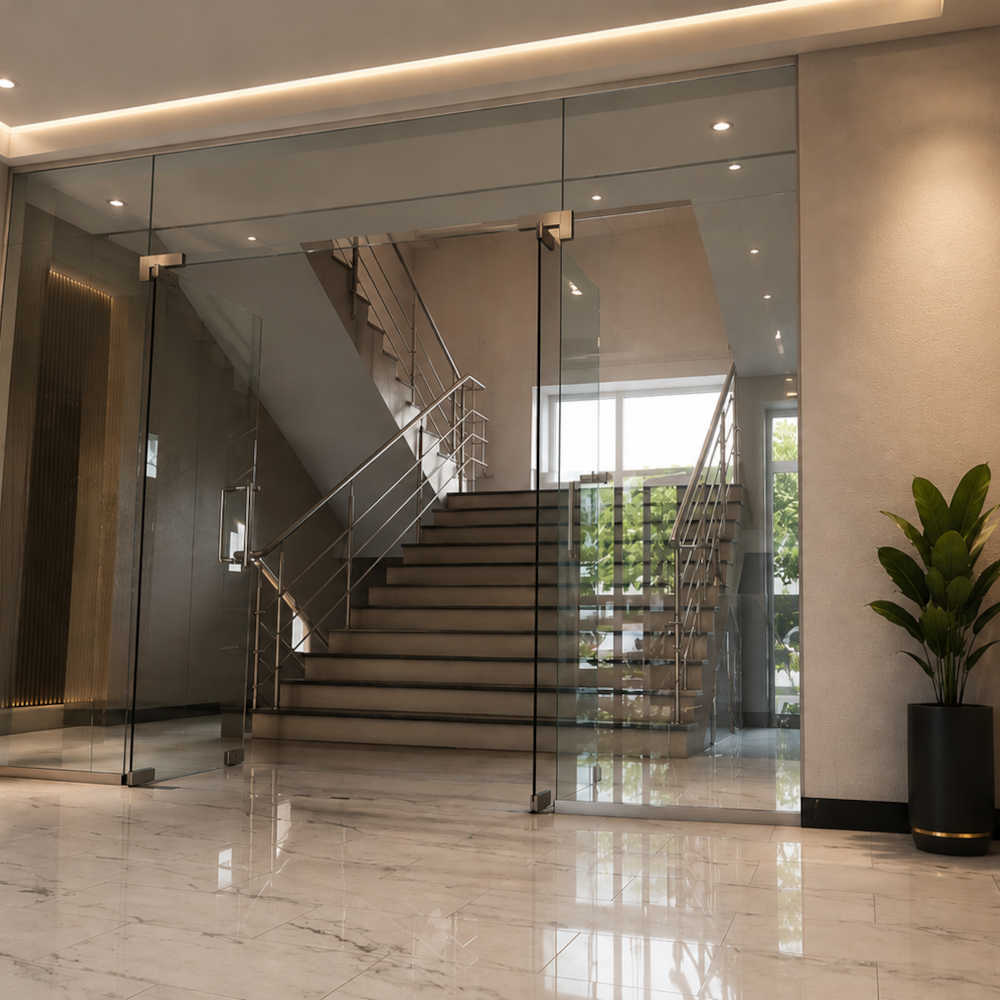
Frameless glass doors often lack the physical hardware for conventional latching, making maglocks one of the few viable options to secure the door.
High-Security Areas Requiring Controlled Entry & Exit

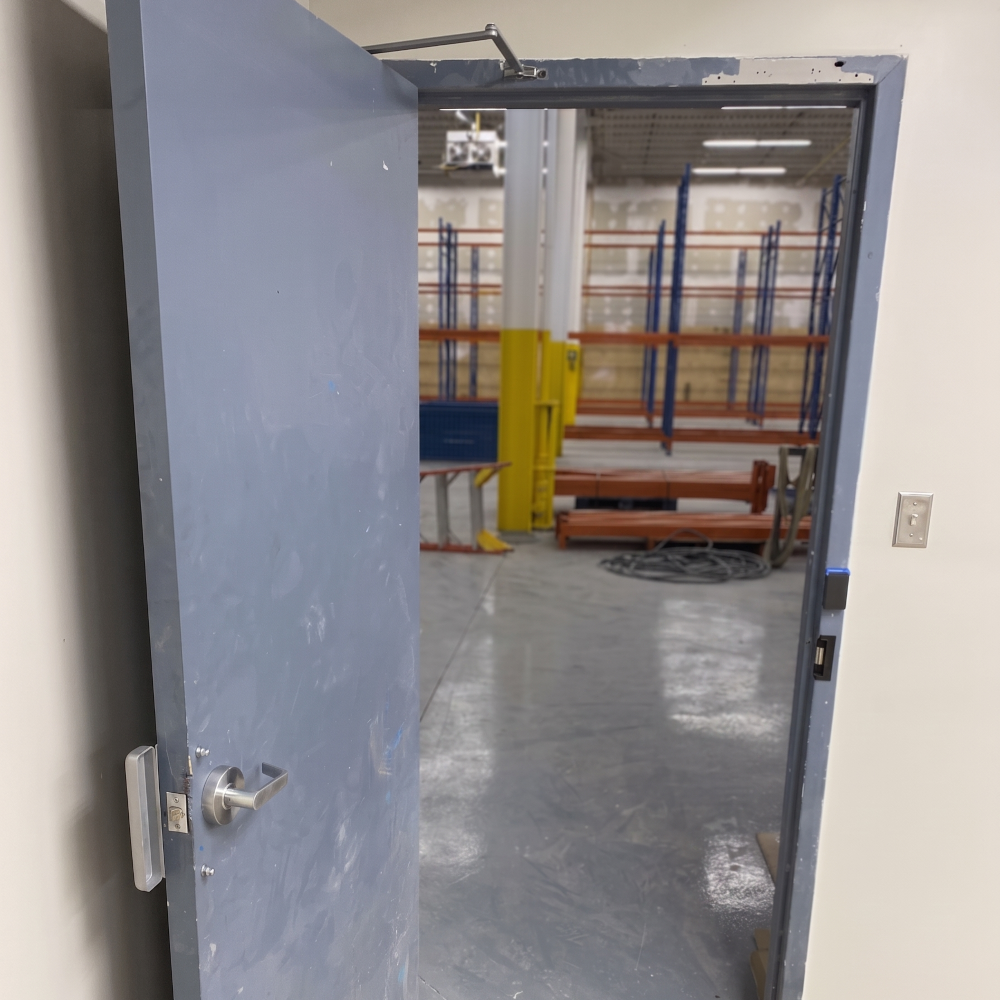
Certain secure environments require credential verification for both entry and exit.
Cross-Over Stairs

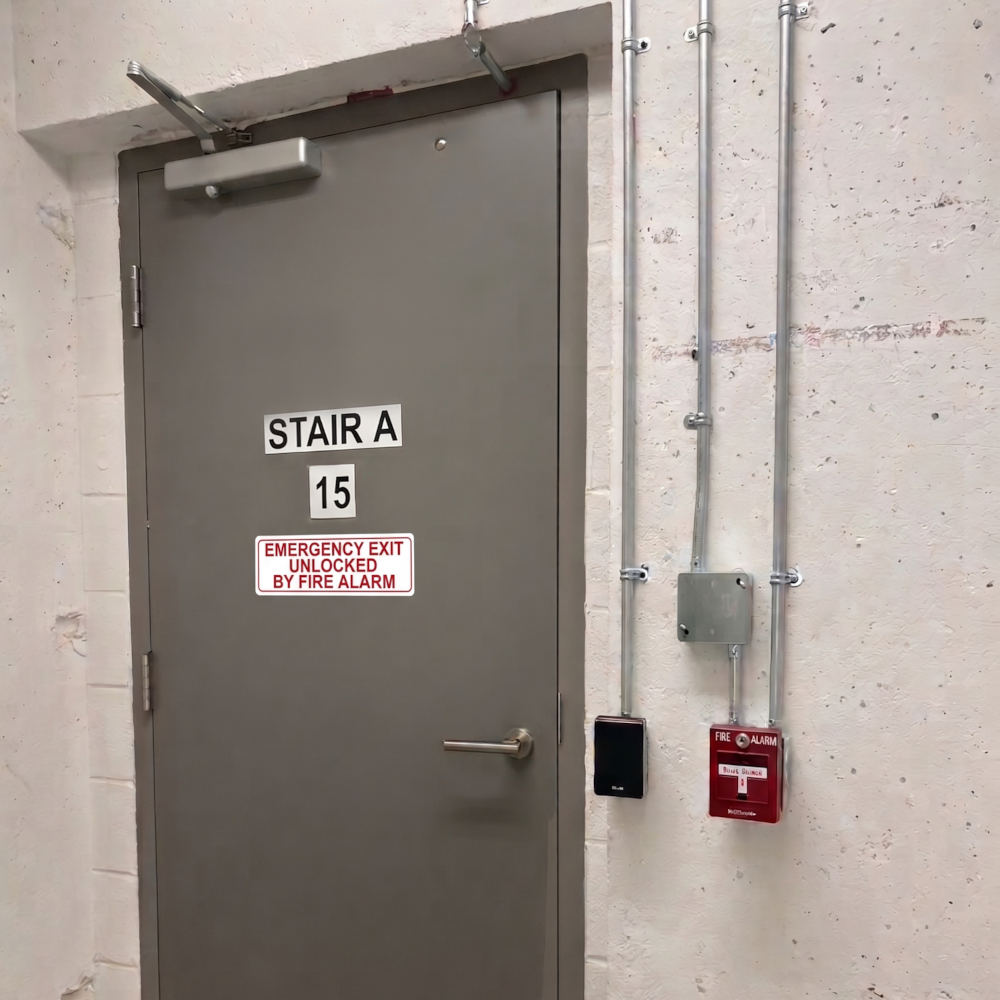
When securing stairwells in residential and commercial high-rise buildings, designated crossover floors are required to automatically unlock during a fire alarm condition. This allows occupants to safely move between stairwells during an emergency should they encounter fire or smoke while exiting.


In all cases, maglocks should only be installed after careful evaluation of building code requirements, fire safety integration, and meeting all local permit obligations.

Manufacturers We Trust

We Install Equipment From Proven Brands to Ensure Every Project Meets Our High Standards

If You Need A Maglock In Toronto We Can Help

In the vast majority of commercial access control applications, electric strikes are the safer, simpler, and more practical solution. However, in specialized applications where a maglock is the only suitable option, Square Security can provide complete assistance throughout the process.

Our team can support the design, permitting, fire system coordination, and installation of fully code-compliant maglock systems that meet Ontario Building Code and life-safety requirements.